


The time I tried to bake chocolate chip cookies for a family get together I pull out a tray of what I can only describe as edible coaster. They look are gorgeous. Golden edge perfect chocolate puddle. Then the cousin bit into one. The crunch echoed across the living room. Everybody laughed, including me. I was quietly crushed.
The disast sent me down a rabbit hole. Over the few months I baked dozens of batches change one thing at a time wrote notes on the back of grocery receipts and slowly figured out why some cookies stay soft for days while others turn into hockey puck by the next morning. After testing this myself again I can tell you the secret is not one magic trick. The secret is a handful of decision that stack up.
Why Cookies Turn Out Hard or Crunchy in the First Place
Before fix the problem it help to understand. A basic balance between are moisture, fat, sugar, flour and heat. When that balance go wrong the texture gets worse.
Crunchy cookies use lose much moisture while they are bake. Water disappear in the oven sugar form crystals as it cools and what is left becomes a broken structure. The more water you take away the crunchy the cookie becomes.
Chewy cookies keep that are moisture inside. Some ingredients are better at holding water. Some ways of baking help protect it. Gluten also has a part to play. A little bit of formation gives you that nice stretch when you pull the cookie apart but too much makes the cookie hard and like bread.
So the goal is easy to explain. A bit hard to achieve: keep moisture inside create just the right amount of structure and don’t bake the dough too much. Everything that follows comes back, to those three ideas.
The Ingredients That Create Softness and Chew
This is where most of the magic happens and honestly where I made the leaps in my own baking.
Brown Sugar Is Your Best Friend

Brown sugar contain molasses is hygroscopic which mean it attract and hold into moisture. Swap some of the sugar for brown sugar is probably the easiest upgrade you can make.
My go-to ratio uses brown sugar than white sugar. Dark brown sugar give a deeper caramel are like flavors and extra softness. White sugar on the hand encourages spreading and crisp edges so use it more sparingly if chewy is your goal.
Butter: Melted vs. Softened
This is something that surprised me. Using melted butter then letting it cool slightly tend to produce a denser cookie. Creaming softened butter with sugar whips, in air which gives a more cake-like texture.
Neither is wrong. They are not only different but.
Extra Egg Yolks
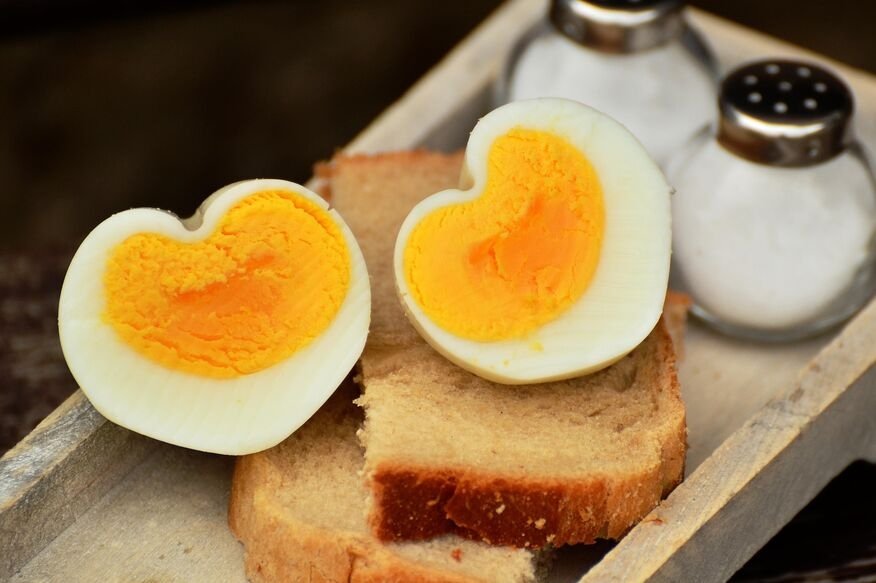
An extra egg yolk is a chewy cookie trick. Yolk add fat and richness without much water as a whole egg, which help create a tender fudgy interior. If a recipe calls for one egg try one egg plus one yolk and see what happens. I did this for the time on a whim and never looked back.
The Right Flour Choice
All purpose flour works well for cookies. Bread flour protein and builds more gluten which can give a noticeably chewier more structured bite. I like a mix. You can absolutely stick with all purpose and get great results.
The bigger issue is how you measure. Scooping flour from the bag with your measuring cup packs it down and you can end up with way more, than the recipe intended. Much flour is one of the top reasons cookies come out dry. Spoon the flour into the cup. Level it off or better yet use a kitchen scale.
A Pinch of Cornstarch
Adding about a tea spoon of cornstarch to your ingredient soft the crumb. It interrupts formation just a bit giving you a more tender center. It’s a trick but it works.
How You Mix the Dough Matters More Than You Think
You can have all the ingredients. Still end up with tough cookies if you mix too much. Once the flour goes in stop mixing soon as you can’t see any dry spots left. Overmixing builds up gluten and gluten makes cookies tough and heavy. Not the kind of texture you want. I used to turn my stand mixer to high speed thinking to be sure everything was mixed well. My cookies turned out worse every time.
Here’s a routine that works for me:
First mix the butter and sugars until they’re just combined. Don’t beat them until they’re fluffy or airy.
Then add the eggs and vanilla and mix briefly.
Next stir in the ingredients by hand or on the very lowest speed of your mixer.
Finally fold in chocolate chips or any other add-ins using a spatula.
Also make sure your eggs are, at room temperature. Cold eggs can make the dough clump up and mix unevenly. Just put them in a bowl of tap water for ten minutes and they’ll be ready to go.
The Power of Chilling Your Dough

I know. Waiting feels like a chore. When that cookie craving hits no one wants to put dough in the fridge and wait.. Chilling is one of the best things you can do for better texture. I won’t pretend it’s not worth it.
When dough rests the flour gets a chance to soak up all the liquid. The fat in the dough gets firm. That firm fat melts slowly in the oven so cookies don’t spread out too much. They stay thicker.. Thicker cookies mean a softer center. Let the dough rest also let the flavor develop. After 24 hours you can taste a more toffee like sweetness.
How Long Should You Chill?
- 30 minutes: That’s the minimum. You’ll still see spreading compared to no chill.
- 2 To 4 hours: A balance. Texture. It’s not too long to wait.
- 24 To 72 hours: This is where things get really good. The flavor deepens the cookies stay chewy. The texture is top notch. That’s my go-to when I can plan ahead.
If time is tight don’t worry. Scoop the dough into balls first then put them on a tray in the fridge. The smaller balls chill faster, than a mass of dough. You still get the benefits in time.
Baking Time, Temperature, and the Underbaking Trick

If I had the chance to put one piece of baking advice on my skin I would choose this: take the cookies out of the oven sooner than you think you should. Cookies continue to cook after they are removed from the oven. The hot pan keeps giving heat a thing called carryover cooking. If you wait until the middle looks fully done they will be too baked once they cool down. Take them out when the edges are firm and have a golden color but the middle still looks a little soft and not fully cooked. They will become firmer while sitting on the pan. Believe me when I say this even if it feels wrong to do.
Temperature Tips
Most cookie recipes bake best when the oven temperature is set between 350°F and 375°F which’s 175°C to 190°C. Raising the temperature a little and baking for a time can keep the cookie center soft because the outside sets before the inside dries out.
Oven thermostats are often inaccurate by 25 degrees or more. A cheap oven thermometer is one of the investments for a home baker. I discovered that my oven ran hot only after I bought an oven thermometer and it explained many of my failures.
Baking Sheet Matters Too
Dark thin pans absorb more heat and burn the bottoms of cookies. Light‑colored heavy gauge aluminum sheets bake evenly. Line them with parchment paper to make cleanup easy and to keep heat gentler.
For a fun trick try the pan bang. Halfway, through baking, lift the tray a few inches and drop it into the rack. The pan bang deflates the centers and create pretty ripples give the cookie a denser chewier middle.
Cooling and Storing Cookies the Right Way

You did all the work. Do not ruin it in the ten minutes.
Let your cook rest on the baking sheet for about five minutes. This lets the centers finish setting without overbaking. Then move them to a wire rack to cool complete. Move them early can be make them fall apart and leaving them too long on the pan can dry out the bottoms.
For storage use an airtight container. Cookies left in the air lose moisture fast.
Here’s a trick my grandmother swore by: drop a slice of bread or a small piece of a flour tortilla into the container. The cookies pull moisture from the bread of drying out. I was skeptical. It genuinely works. Replace the bread every day or two.
A more storage tips:
- Store soft cook separate from crisp ones or they’ll swap textures.
- Keep the container at room temperature away from sunlight heat .
- Freeze dough ball for up to three month and bake from frozen adding a two minute.
Common Mistakes That Ruin Soft Cookies
After years of baking (and a lot of failures) these are the mistakes I see often.
Overbaking is the problem. Sixty extra seconds can ruin the texture completely.
Much flour is common. Packing the measuring cup can add twenty‑five percent flour than you expect.
Overmixing creates too much gluten. That makes cookies tough and bready.
Skipping the chill means dough stays warm. It spreads thin. Ends up very crisp.
Using a hot pan is a mistake. Warm baking sheet melts butter early causing dough to spread fast. Let the sheet cool, between batches or use two trays and rotate them.
Wrong butter temperature is another error. Butter that is too soft or melted make cookie flat and greasy.
Ignoring your oven is dangerous. If the oven is too hot every recipe will be bake badly even if you follow directions careful.
The good news is that each of these problem is easy to fix once you spot them.
Easy Upgrades for Extra Chewiness
Once you have learn the basic a few small change be can turn your cookie from good to something special. Adding a table spoon of milk or a little honey or corn syrup to the dough. These ingredient adding moisture. They help the cookies stay soft for a time. Use sugar instead of white sugar it adds more depth and more richness. Roll the dough into balls of flattening them so the center stay thick and chewy.
Make the cookies a bit bigger too. Larger cookie have a center compare to their edges which gives them a natural chewier texture. A large cookie scoop help you get the sizes and that means even baking every time.
Don’t forget the finishing touch: a pinch of salt sprinkled on top right when the cookies come out of the oven. It brings out the sweetness. Honestly it makes them taste like they were baked in a high end bakery
Conclusion
Soft and chewy cookies are not, about luck or a secret recipe hidden in a vault. They rely on smart habits: using brown sugar measuring flour carefully mixing gently chilling the dough and taking the tray out before the cookies appear finished.
I still remember the day my cousin, the one who ate my coaster cookies grabbed another cookie from a later batch and said, “Okay what did you change?” Everything, as it turns out.. Every failed batch taught me something.
So do not get discourag if your first attempt is not perfect. Change one thing at a time write down note and enjoy the experiments along the way. Your kitchen will smell amazing either way. Happy baking. I hope your next batch is the softest cookies you have ever made.
Frequently Asked Questions
1. Why do my cookies turn hard after a day?
Usually it’s because they lose moisture. If you leave them out in the open or in a container that not sealed tight they dry out fast. To keep them soft store them in an airtight container. You can be even put a slice of bread inside. It helps hold onto moisture. Another reason is overbaking. If you take them out a two minute earlier next time they might stay soft longer.
2. Does baking soda or baking powder make cookies soft?
Both play a role, in how the cookies turn out. Baking soda helps them spread more and get a golden color which leads to chewier flatter cookie. Baking powder makes them rise more so they end up puffier and more cake like. If you want chewy cookies most recipe use baking soda.. Maked sure your baking soda or baking powder is still fresh. Old one want work as well and can leave your cookie tough or flat.
3. Can I make cookies soft without chilling the dough?
Yes chilling helps a lot. If you skip chilling use butter that’s a bit cooler add one more yolk and bake on a tray that is cool. You will get softness but the cookie may spread more and lack the deep flavor that rest creat.
4. How do I know when cookie are done baking?
Look at the edges, not the center. The edges should be. Lightly golden while the middle still looks soft and slightly puffy. The centers will firm up as the cookies cool on the tray. If the middle looks fully dry cookies are probably overbaked.
5. Can I freeze cookie dough. Still get soft cookies?
Absolutely. Freezing dough balls works great. Often improves flavor. Bake from frozen, at the same temperature adding one or two extra minutes. Because the dough is cold the cookie spread less. Stay thick and chewy in the center.